

A Critical Analysis: Navigating the Gender Mismatch in Influencer Marketing
- May 7, 2024
- 3 min read
With the rise of social media platforms like Instagram and YouTube, influencers have become pivotal in shaping consumer behavior and influencing purchasing decisions. However, amidst the allure of influencer marketing, there lies a critical issue that brands cannot afford to overlook: the gender mismatch between influencers and their followers.
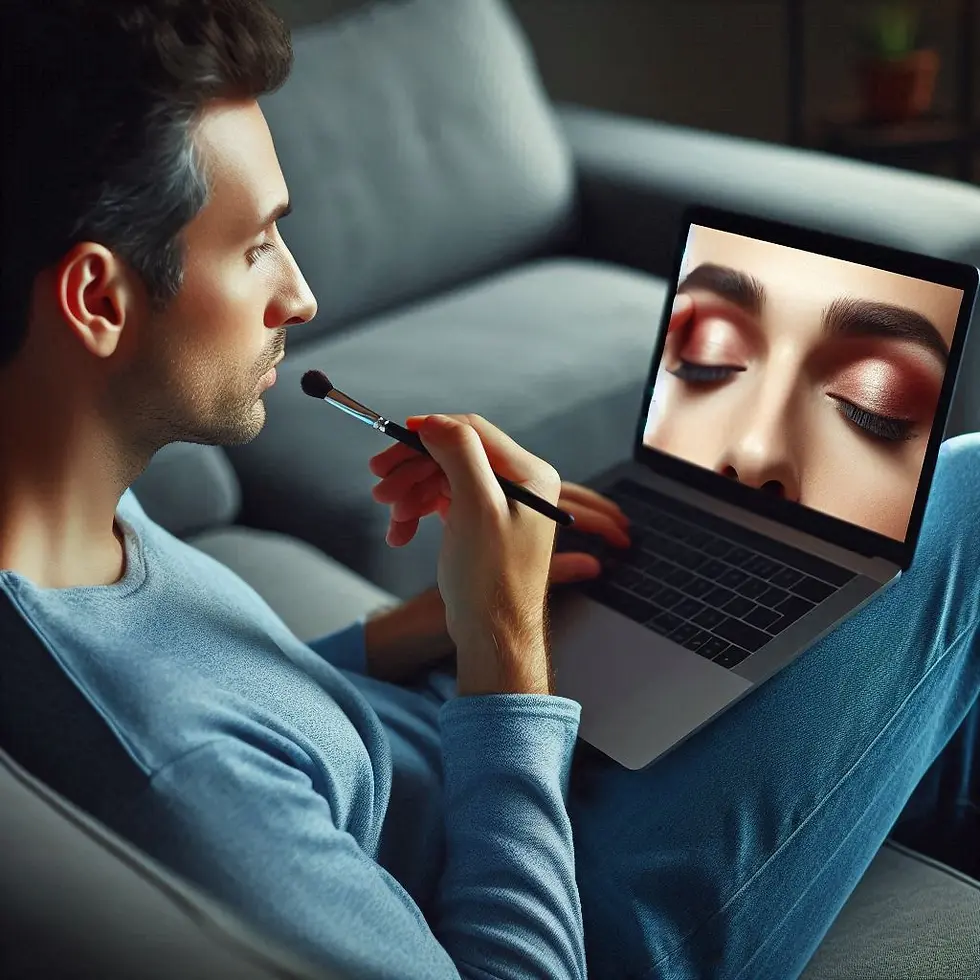
In recent years, cosmetics and beauty brands have been at the forefront of utilizing influencer marketing to promote their products. These brands recognize the immense potential of influencers in reaching a wide audience and driving engagement. Yet, a closer examination reveals a troubling trend – a significant gender gap between the followers of influencers and the target audience of women-specific cosmetics, beauty, and personal hygiene brands.
According to industry insiders, influencers hired by women-specific cosmetics and beauty brands often boast a follower base comprising over 70% males on platforms like Instagram. This glaring disconnect raises serious concerns about the effectiveness of influencer marketing strategies in reaching the intended demographic. After all, how can brands expect to resonate with their target audience when their chosen influencers cater predominantly to a different gender?
The implications of this gender mismatch extend beyond mere inefficacy; they translate into tangible losses for brands in terms of budget wastage. Marketing budgets allocated to influencer partnerships are finite resources that must be invested wisely to yield maximum returns. However, when brands engage influencers, whose followers do not align with their target demographic, it results in squandered resources and missed opportunities.
The crux of the issue lies in the mismatch between the content produced by influencers and the interests and preferences of the target audience. While beauty and fashion may attract a plethora of influencers, the lack of diversity in their follower demographics poses a significant challenge for brands. Despite the popularity of influencers in these niches, the skewed gender distribution of their followers undermines the effectiveness of influencer marketing campaigns.
Moreover, the gender mismatch in influencer marketing is exacerbated by the sheer dominance of beauty and fashion content on platforms like Instagram and YouTube. As industry reports and executives attest, these sectors boast the largest number of social media influencers, further amplifying the challenges faced by women-specific cosmetics and beauty brands.
Considering these realities, it is imperative for brands to reevaluate their influencer marketing strategies and adopt a more discerning approach. Rather than solely focusing on metrics such as follower count and engagement rate, brands must prioritize alignment with their target demographic. This entails conducting thorough research to identify influencers whose audience composition closely mirrors that of the brand's consumer base.
Furthermore, brands should seek to foster authentic partnerships with reel making companies who genuinely resonate with their values and ethos. Authenticity breeds credibility, and consumers are more likely to trust recommendations from platforms which exude sincerity and authenticity in their content. By forging meaningful collaborations based on shared values and interests, brands can cultivate a deeper connection with their target audience and drive meaningful engagement.
Additionally, brands must embrace diversity and inclusivity in their marketing efforts. Instead of adhering to conventional notions of beauty and gender norms, brands should embrace a more inclusive approach that celebrates diversity in all its forms.
In conclusion, the gender mismatch in influencer marketing poses a significant challenge for brands, particularly in the cosmetics and beauty industry. As brands navigate this complex landscape, it is essential to prioritize alignment with their target demographic and cultivate authentic partnerships with reel making companies like SelebZ instead of influencers. By embracing diversity, authenticity, and inclusivity, brands can harness the full potential of marketing and forge meaningful connections with their audience.


Cuma di KABAR4D bisa spin santai dapet duit asli. https://fctechno.com/update-info-kabar4d